The LCA allocation problem: mass, economic, and system expansion compared
When a process yields multiple products, how do you split the environmental burden? The ISO 14044 hierarchy, three main methods, and real industry examples.
By clca Editorial TeamLast updated
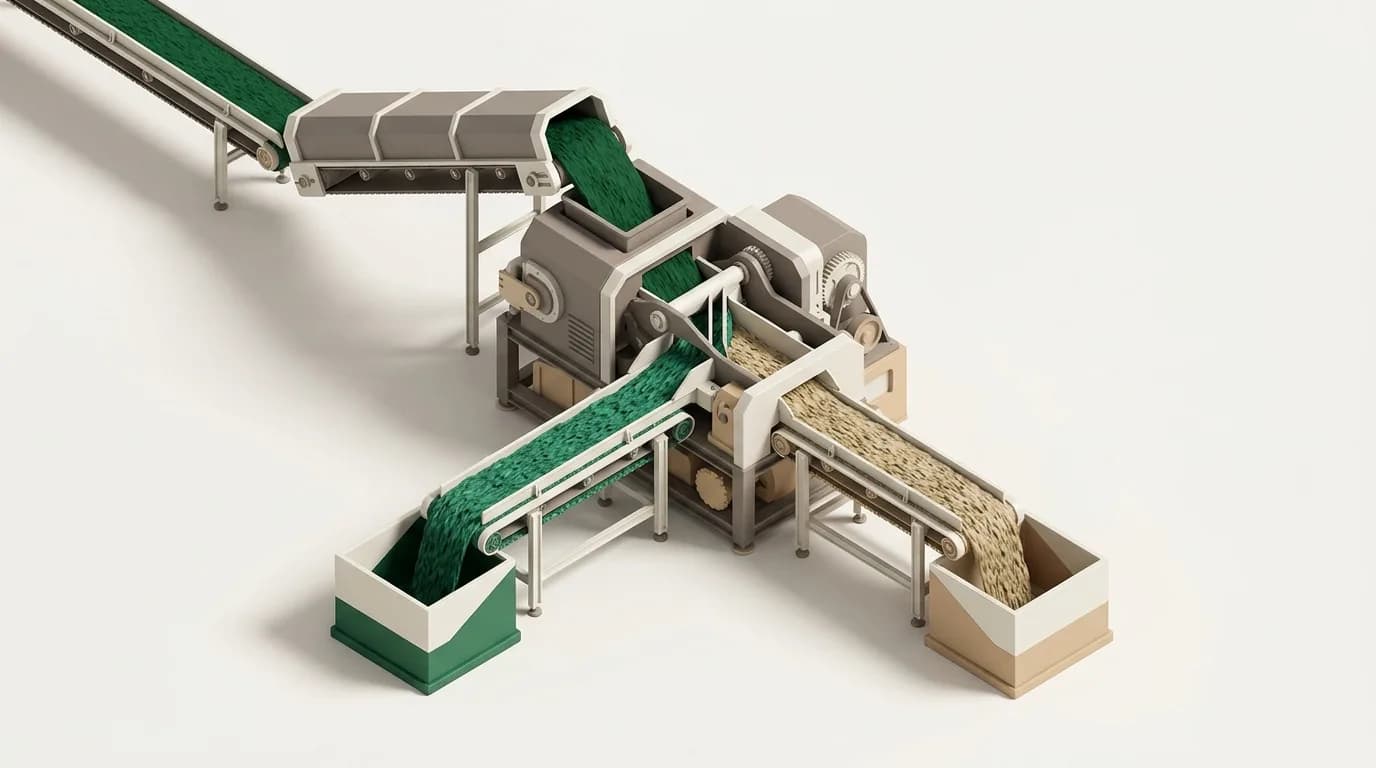
Allocation is one of LCA's classical methodological debates. When a single process produces multiple valuable outputs — e.g. a refinery yielding petrol, diesel, kerosene, fuel oil simultaneously — how do you split the environmental burden between products? Wrong allocation hides or amplifies one product's burden at another's expense.
The ISO 14044 hierarchy
ISO 14044 treats allocation in a strict hierarchy:
- 1. If possible, avoid allocation — decompose into sub-processes or use system expansion
- 2. If unavoidable: use allocation reflecting a physical relationship (typically mass or energy)
- 3. If physical relations are insufficient: fall back to economic or other non-physical allocation
- 4. Document your justification regardless of which method you choose
Mass allocation
Splits burden by product mass. Milk processing example: 100 kg of milk yields 90 kg of buttermilk + 10 kg of fat, so the process burden splits 90% / 10%. Simple and intuitive — but not always fair, since some by-products are low-mass and high-value (e.g. concentrated calorie content in milk fat). In steel production, mass allocation puts artificial weight on the slag co-product.
Economic allocation
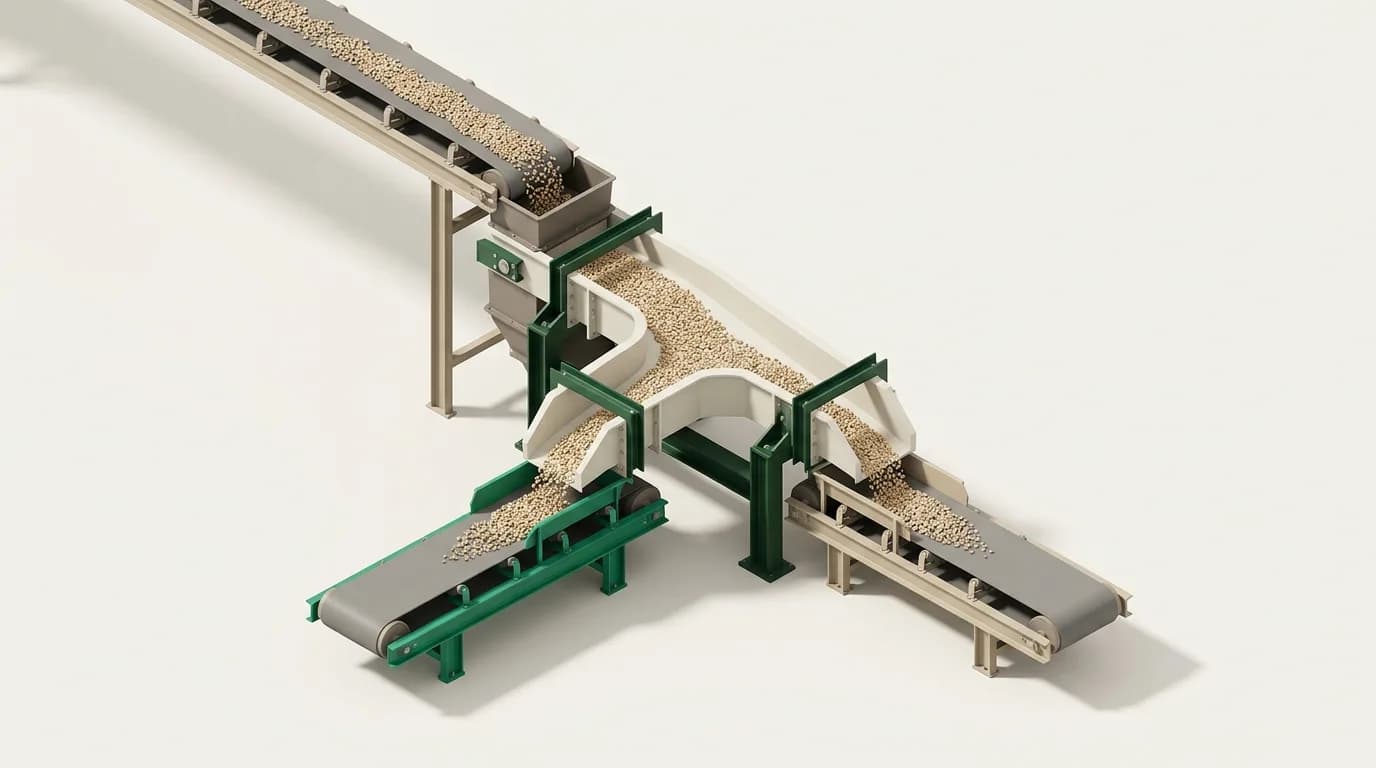
Splits burden by product market value. From 100 kg of crude oil yielding 30 kg petrol (€200) + 40 kg diesel (€180) + 30 kg fuel oil (€60) = €440 total, allocation runs 45% petrol + 41% diesel + 14% fuel oil. Market values fluctuate so the method is volatile, but it fairly distributes between co-products of different caloric or commercial weight. In refineries and biodiesel co-product analysis (glycerol, fertiliser by-streams) economic allocation is common.
System expansion (avoided burden)
A way to avoid allocation: identify what the co-product substitutes and subtract the substituted product's burden from the main product's burden. Example: if the cement-clinker by-product is used as fertiliser, the fertiliser-production emissions are subtracted from the cement burden. This is methodologically the most natural approach, but data-intensive — you need the actual market structure for the substituted product. Common in consequential LCA, limited use in attributional LCA.
What does EN 15804+A2 prefer?
EN 15804+A2 accepts the ISO 14044 hierarchy but tightens practical rules for construction. The worldsteel methodology for steel is mass-based; EN 16908 for cement permits economic allocation in specific co-product situations. End-of-life "cut-off" allocation is the default for construction products — recycled by-products carry no A1 burden and arrive as a Module D credit.
Tags
- LCA allocation
- mass allocation
- economic allocation
- system expansion
- co-product LCA
- by-product allocation
Related reading
All articles in ISO Series- ISO Series
Comparative LCA and critical review: when is it mandatory?
Compare with a competing product and disclose it publicly, and ISO 14044 requires a review panel. The reasoning behind the rule and its practical consequences.
11 min read - ISO Series
Cut-off rules: what you are allowed to leave out
No LCA models every flow. How cut-off criteria are defined, the mass-energy-environmental relevance triad, and the most common mistake.
10 min read - ISO Series
System boundary: cradle-to-gate, -grave, -cradle — which when?
System-boundary choice defines which life cycle modules your study includes. The three core scopes and selection criteria.
9 min read - ISO Series
ISO 14040 and ISO 14044: how the two work together
ISO 14040 sets the LCA framework; ISO 14044 defines the detailed requirements. They should be read as one body — practical difference, application order, and relation to EN 15804.
11 min read